
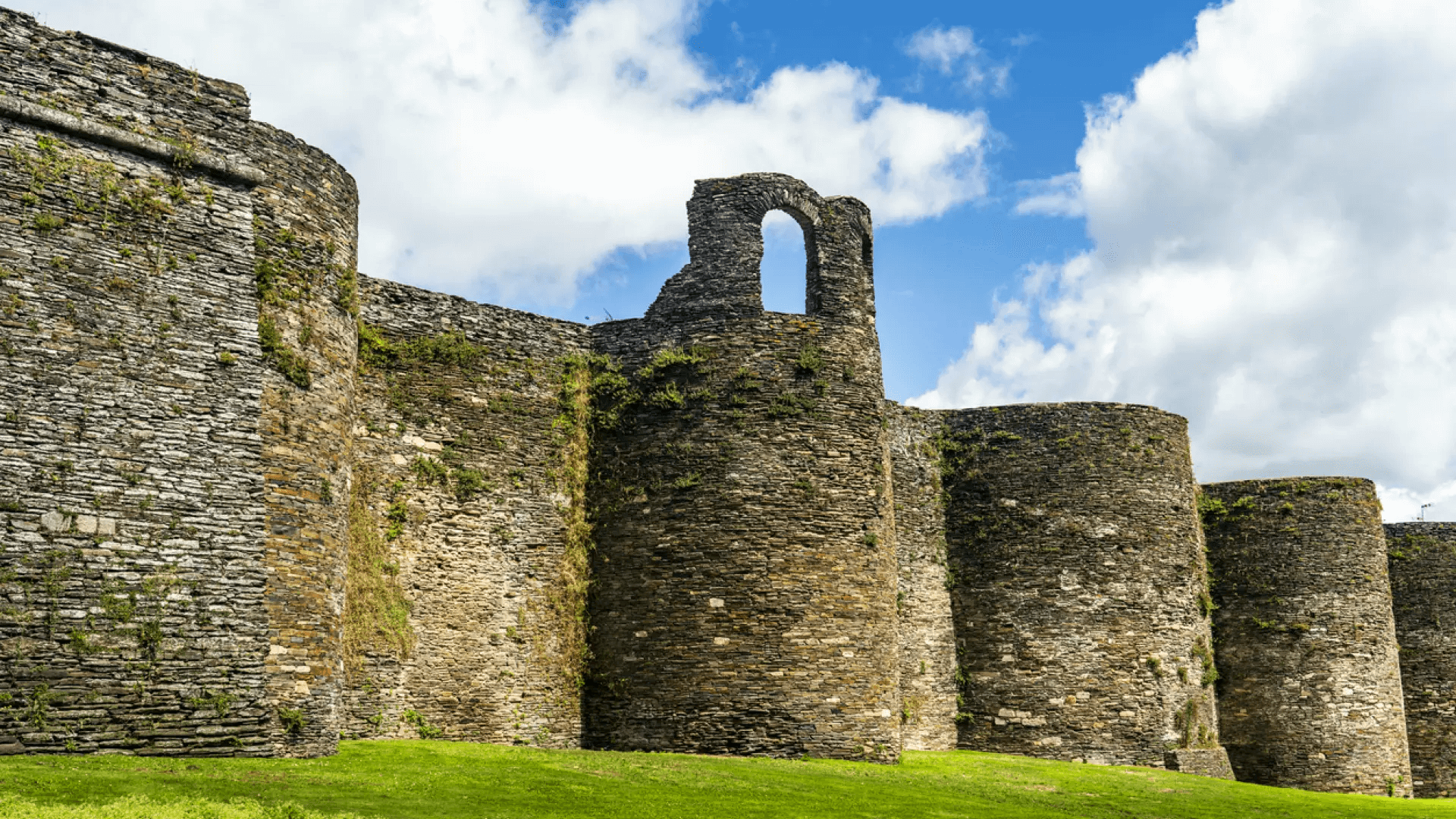
Roman Walls
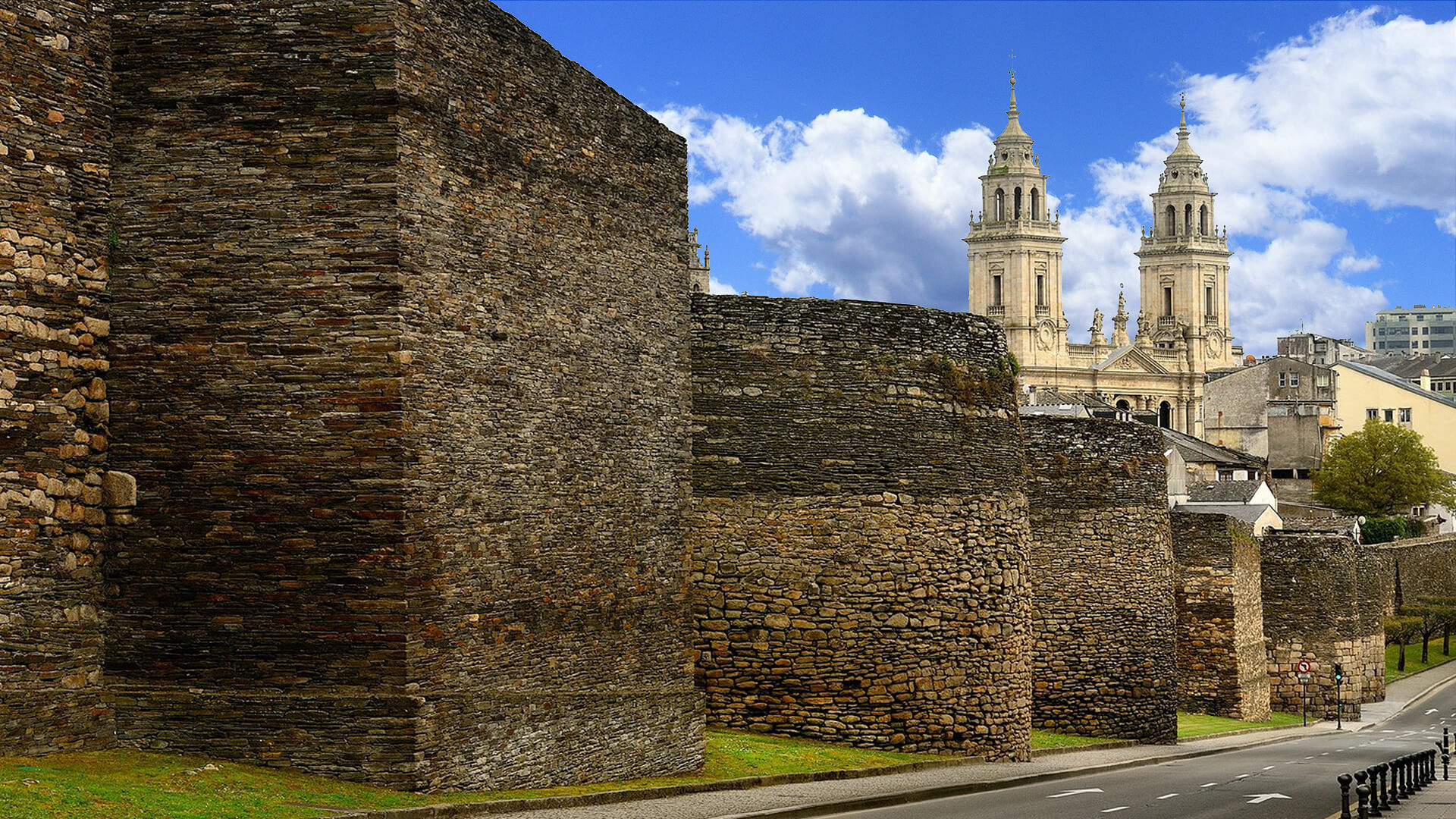
The Roman walls are both the symbol of Lugo and a rare monument enclosing an entire city. Built two thousand years ago and walkable all the way around, they continue to exist as a living part of the urban landscape.
Take your time and explore the city’s main highlights.
The Roman walls are both the symbol of Lugo and a rare monument enclosing an entire city. Built two thousand years ago and walkable all the way around, they continue to exist as a living part of the urban landscape.
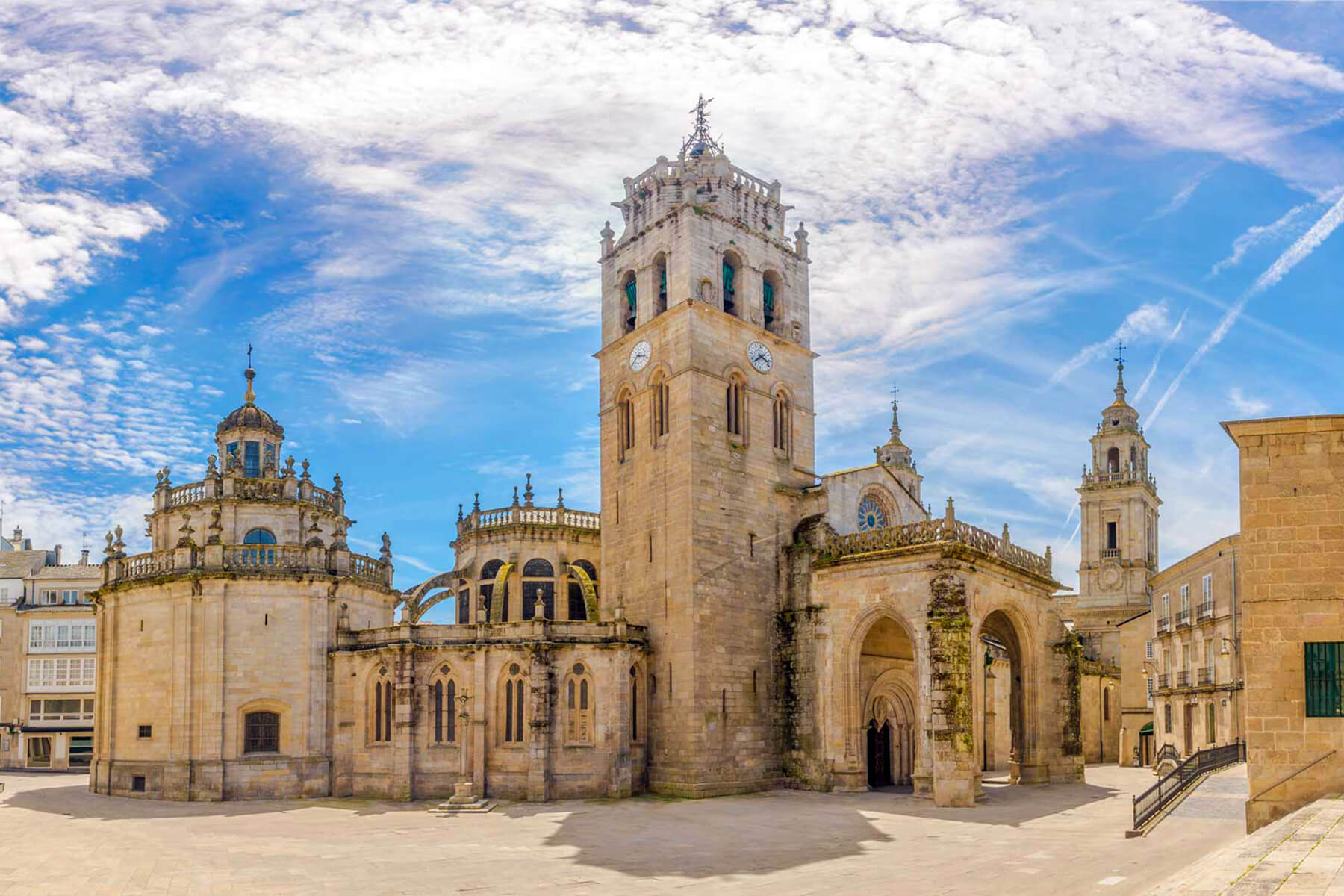
The cathedral, shaped by successive enlargements and alterations, preserves the history of the city within its fabric. Inside, the accumulated presence of pilgrimage and devotion makes it the spiritual heart of the city.
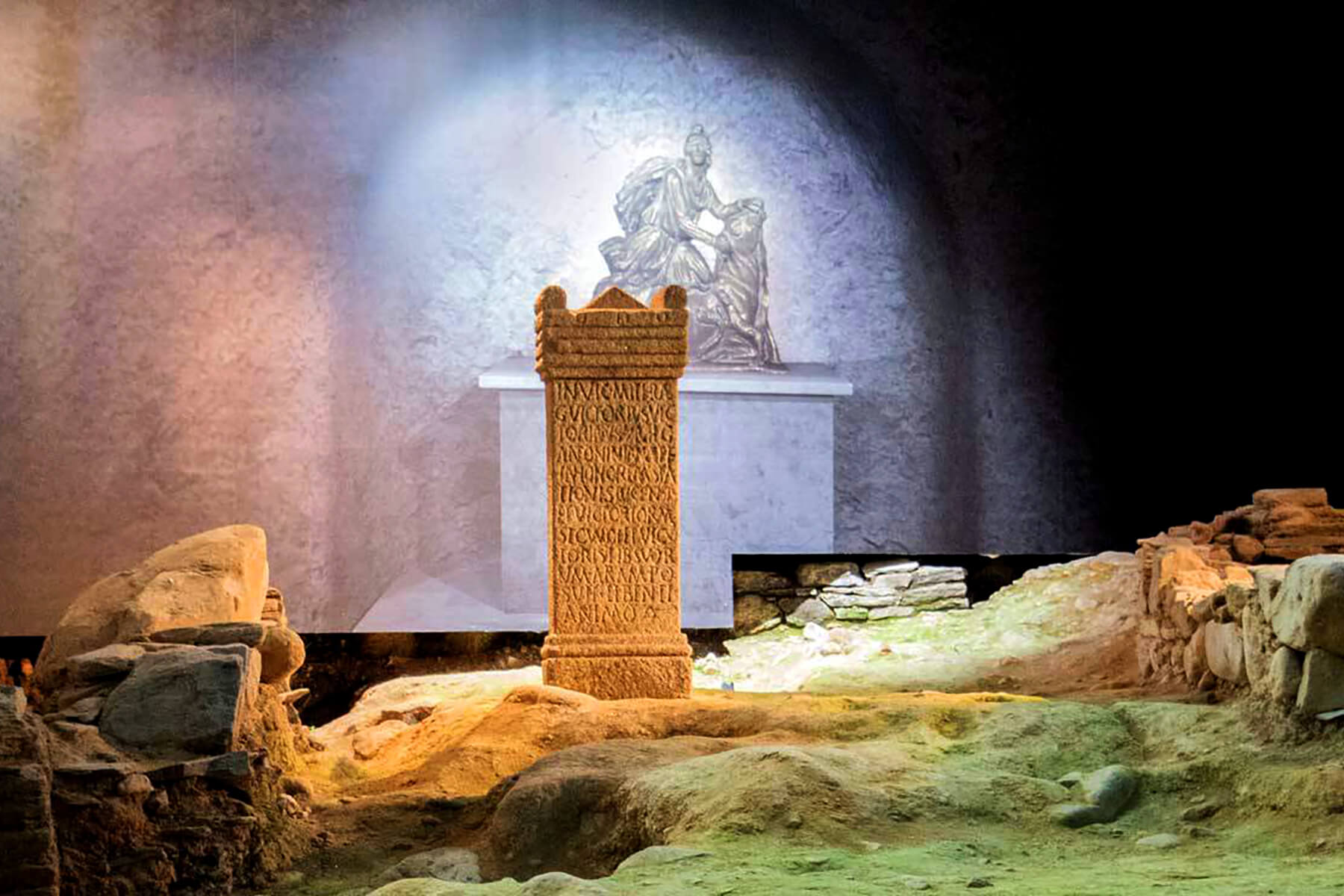
These remains, preserved within the site of a Roman dwelling, convey the spiritual world of ancient Lugo. Stepping into this quiet interior, you can imagine soldiers and townspeople bound together through shared belief.
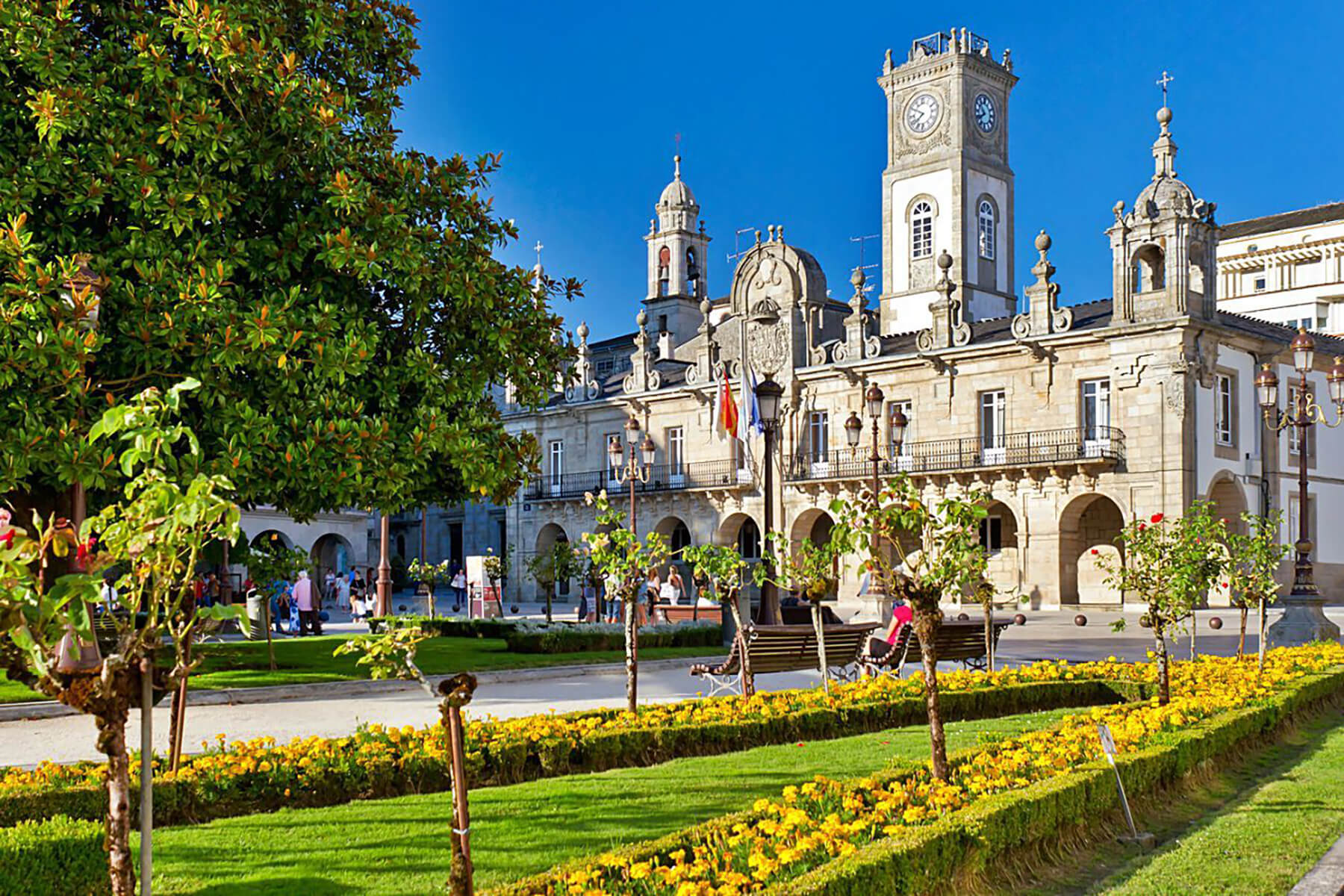
In Lugo’s Mayor Square, the stone arcades reflect centuries of civic life. Standing before the beautiful Baroque City Hall, you can picture townspeople gathering here, shaping the identity of this ancient city.
Savour some of the most celebrated flavours of inland Galicia.
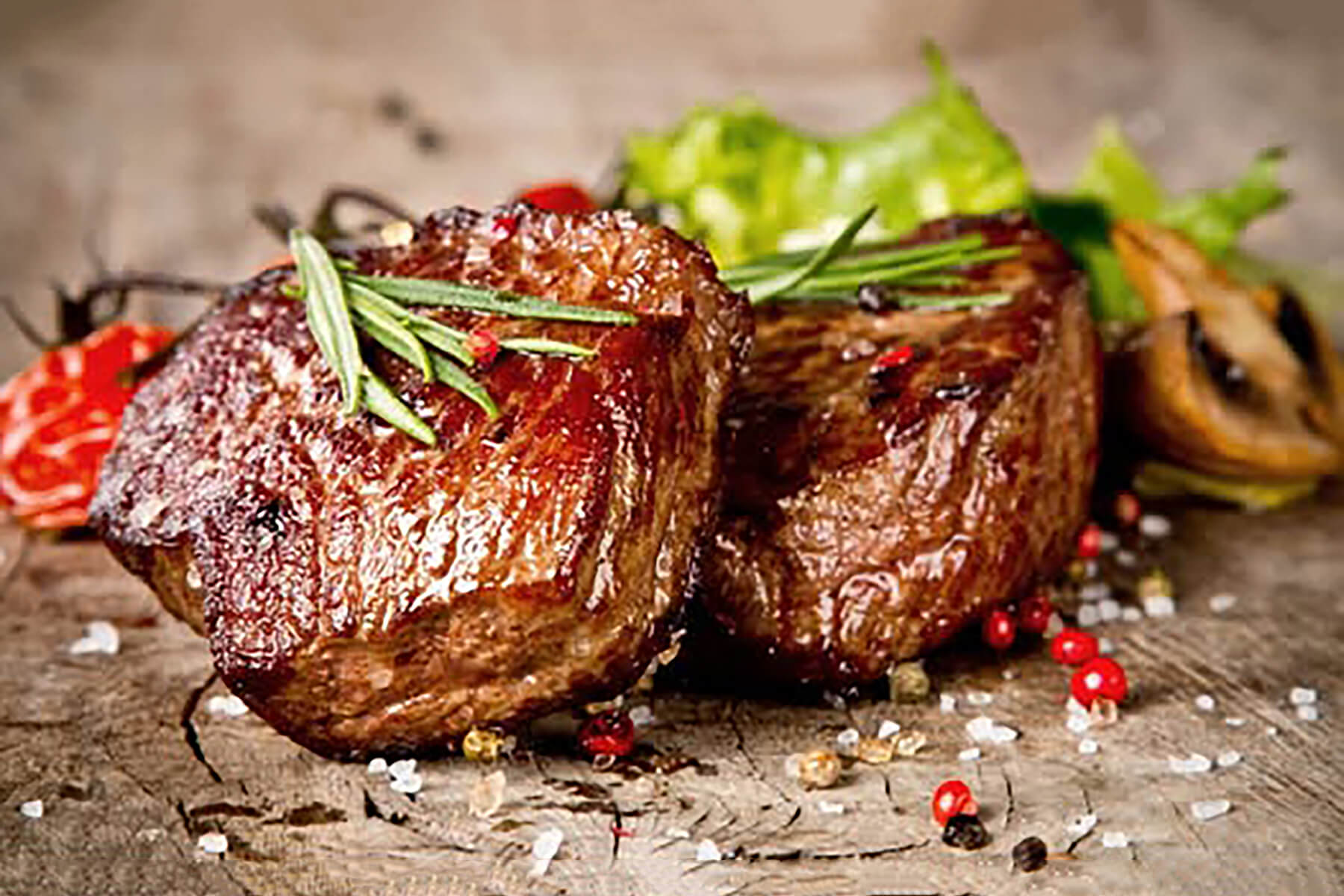
Galician beef is known for its tenderness and depth of flavour. Simple preparation allows the quality of the ingredient to stand out and express the character of its culinary tradition.

This dish of pork and turnip greens is known for its robust and deeply satisfying flavour. The ingredients evoke both the region’s food culture and the abundance of the season.
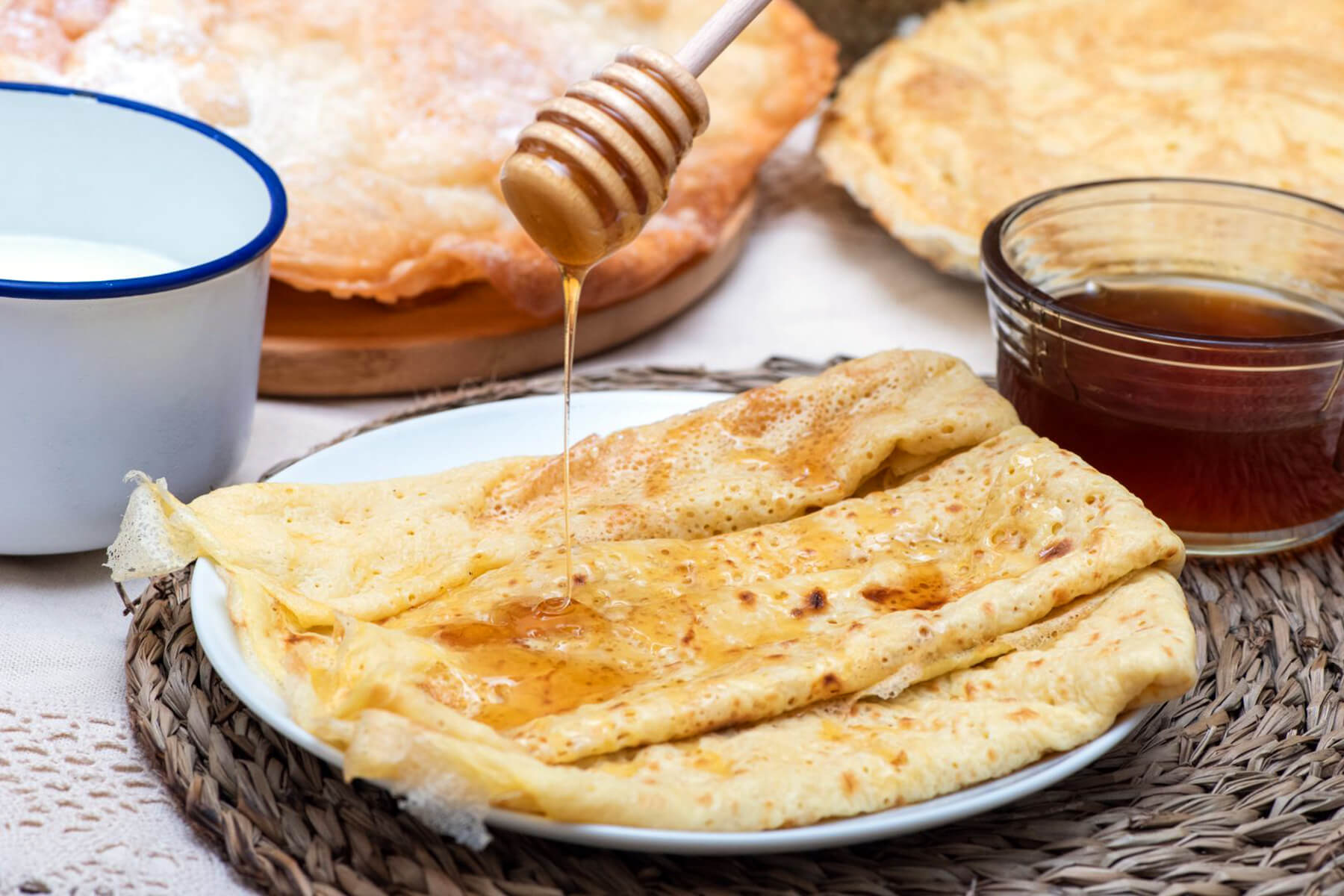
These Galician-style crêpes are traditional thin pancakes made with flour, eggs and milk. Their simple, gentle flavour makes them especially enjoyable with sugar or honey.
Feel the historic character of a city shaped by Rome, water and stone.
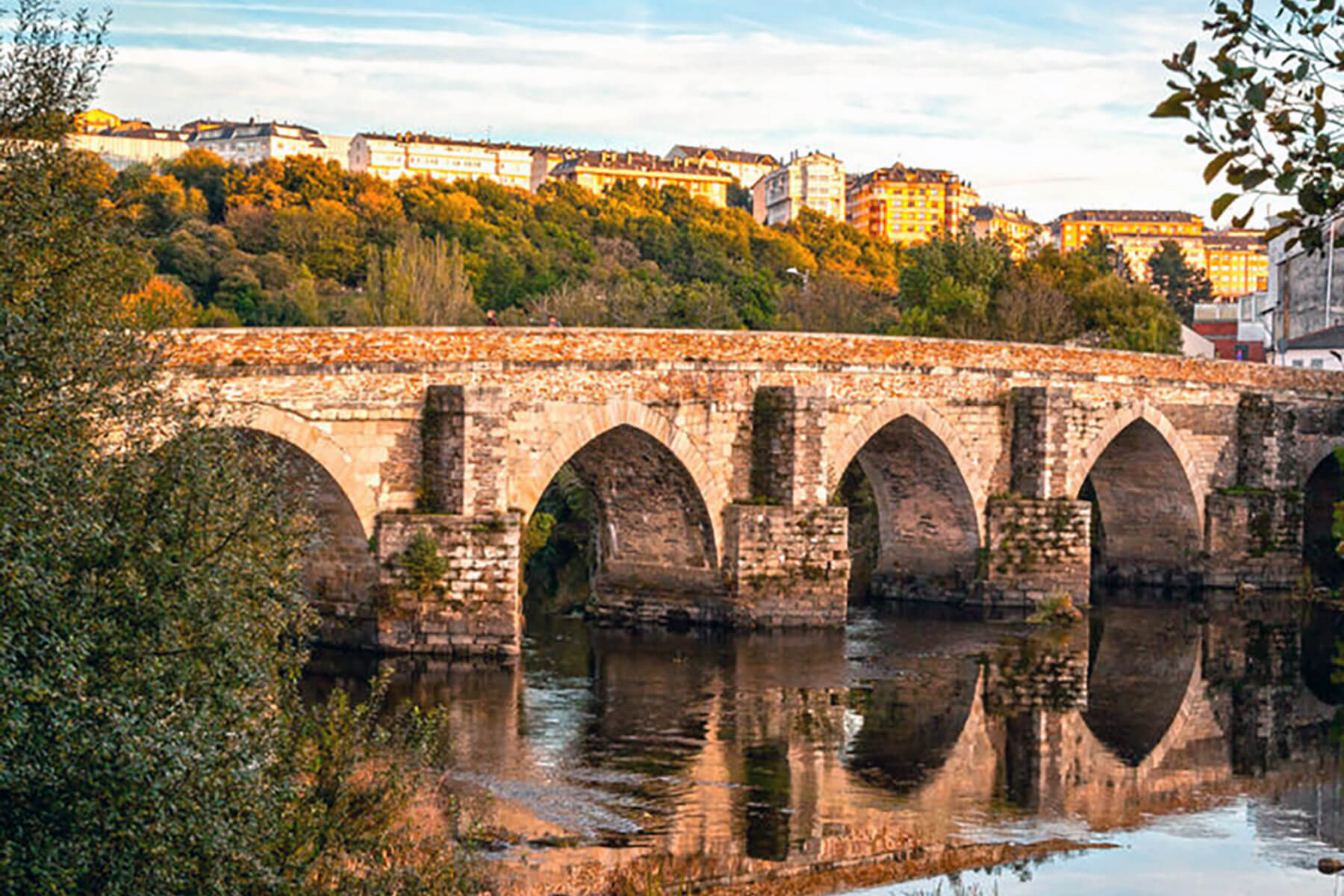
Crossing the bridge over the Miño river reveals the relationship between life inside and outside the walls. It is easy to understand how Lugo was connected to the surrounding land and the people beyond the city.
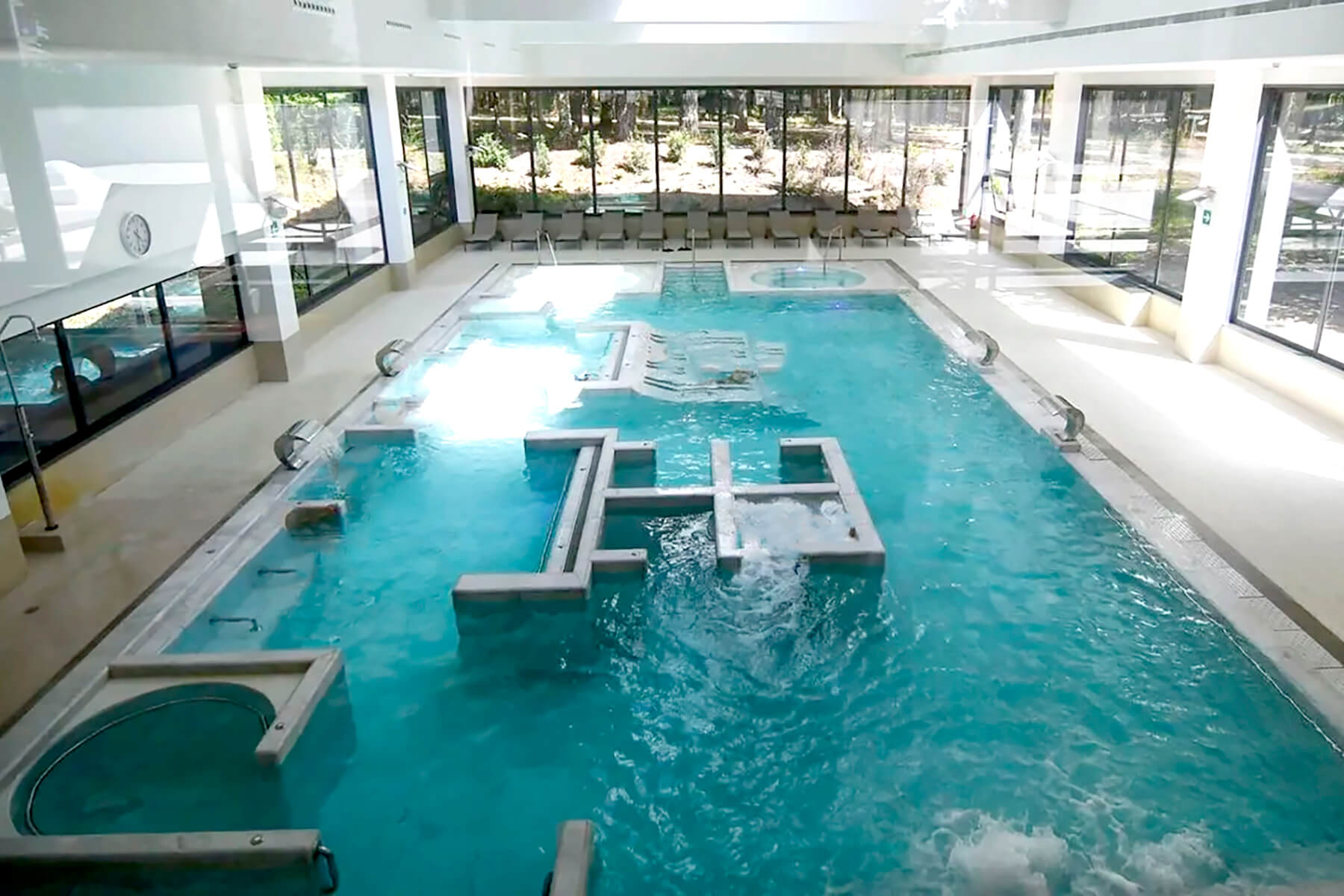
The area around these baths still preserves remains associated with Roman bathing culture, showing how closely the city was once linked to water. Even nowadays, the springs continue to be enjoyed for bathing.
Tell me your interests and I will create a private itinerary tailored especially for you.